The Lazy Mom’s Guide to Meal Planning: 5 Strategies That Actually Stick
It’s 5:30 PM on a Tuesday. You just walked in the door after work, picked up the kids, and someone immediately asks: “What’s for dinner?”
You stare blankly into the refrigerator. There’s… something. Ingredients that could theoretically become a meal. But your brain is fried, the kids are hungry now, and you can’t remember the last time you had a plan.
So you do what you always do: order pizza. Again. Or throw together pasta. Again. Or drive through somewhere because it’s just easier.
I’ve been there. For years, I convinced myself I was “too busy” for meal planning. I thought it required hours of Pinterest-perfect recipe research, elaborate grocery lists, and a level of organization I simply didn’t have.
I was wrong.
Meal planning doesn’t have to be complicated, time-consuming, or perfect. In fact, the best meal planning is lazy meal planning—simple systems that work even when you’re exhausted, unmotivated, and completely out of mental energy.
In this post, I’m sharing five easy meal planning strategies that actually stick for real moms with real lives. These aren’t Pinterest fantasies or chef-level systems. They’re practical, realistic approaches to meal planning for beginners that save time, money, and sanity.
No more 5:30 PM panic. No more wasted groceries. No more spending $600/month on takeout because you couldn’t figure out dinner.
Let’s fix this—the lazy way.

Why Traditional Meal Planning Fails Busy Moms
Before I share what works, let’s talk about why you’ve probably tried meal planning before and quit.
The Pinterest Problem
Traditional meal planning advice tells you to:
- Find 7 new exciting recipes every week
- Create detailed shopping lists organized by store aisle
- Prep all ingredients on Sunday
- Cook elaborate meals every night
- Never repeat the same meal twice in a month
This is exhausting. It treats meal planning like a part-time job, not a practical tool for busy families.
The Perfection Trap
You start with enthusiasm. You plan a beautiful week of varied, healthy meals. You shop for everything. Then Wednesday happens—you’re running late, a kid has practice, and that planned recipe takes 45 minutes you don’t have.
One deviation from the plan, and the whole system collapses. You feel like a failure, abandon meal planning entirely, and go back to winging it.
The Real Problem
Meal planning fails when it requires too much mental energy, time, or perfection.
Busy moms don’t have excess mental energy. We’re already managing work deadlines, school schedules, activities, appointments, and a thousand other details.
What we need is meal planning that:
- Takes 15 minutes or less to create
- Requires minimal thinking
- Accommodates schedule changes
- Uses familiar, simple recipes
- Reduces decisions, not increases them
That’s what lazy meal planning delivers.
Strategy #1: The Rotation Method
This is the simplest, lowest-effort meal planning system that exists—and it’s what I use 90% of the time.
How It Works
You eat the same meals every week in a predictable rotation.
Instead of planning 7 different dinners, you assign a type of meal to each day:
- Monday: Pasta night
- Tuesday: Taco/Mexican night
- Wednesday: Chicken night
- Thursday: Breakfast for dinner
- Friday: Pizza night (homemade or takeout)
- Saturday: Slow cooker/one-pot meal
- Sunday: Leftovers or easy meal
That’s it. Same structure, every single week.
Why This Works
Zero decision fatigue. You don’t wake up wondering “what’s for dinner tonight?” You already know it’s pasta night. The only question is which pasta dish.
Automatic grocery shopping. You buy the same core ingredients every week. Shopping takes 30 minutes because you’re not wandering aisles trying to remember what you need.
Built-in variety. Within “pasta night,” you rotate between spaghetti, fettuccine alfredo, pasta with marinara, baked ziti, mac and cheese. Within “taco night,” you do beef tacos, chicken tacos, taco bowls, quesadillas, enchiladas.
Room for flexibility. If Wednesday doesn’t work for chicken, swap it with Thursday’s breakfast night. The system is flexible because you’re working with themes, not rigid recipes.
Setting Up Your Rotation
Step 1: Choose your themes
Pick 5-7 meal themes your family already eats and enjoys:
Common themes:
- Pasta/Italian
- Mexican/tacos
- Chicken-based
- Beef/pork
- Breakfast
- Soup/sandwich
- Pizza
- Slow cooker
- Seafood (if your family eats it)
- Asian-inspired (stir-fry, fried rice)
Step 2: List 3-5 specific meals under each theme
Example for “Mexican Night”:
- Beef tacos with all the toppings
- Chicken quesadillas with rice and beans
- Taco bowls (rice, beans, meat, toppings)
- Bean and cheese burritos
- Nachos with ground beef
Step 3: Assign themes to days
Match themes to your schedule:
- Busy nights → Quick themes (breakfast, pasta, tacos)
- Lighter nights → Slow cooker or more involved meals
- Weekends → Experiment or takeout
Step 4: Shop once for all themes
Buy ingredients that cover all your themes for the week. Since you’re making similar meals weekly, you’ll know exactly what to buy.
Real Example
My family’s rotation:
Monday – Pasta: Spaghetti with meat sauce, garlic bread, salad
Tuesday – Tacos: Ground beef tacos, rice, beans
Wednesday – Chicken: Baked chicken, roasted vegetables, rice
Thursday – Breakfast: Pancakes, scrambled eggs, fruit
Friday – Pizza: Homemade or delivery
Saturday – Slow cooker: Chili, pulled pork, or pot roast
Sunday – Leftovers: Clean out the fridge, make quesadillas from leftover meat
Shopping list is nearly identical every week. I can shop in my sleep.
Strategy #2: The “5 Meals Only” System
If even the rotation method feels like too much variety, simplify further.
The Concept
Cook only 5 meals. Repeat them. That’s it.
This isn’t boring—it’s strategic. Most families already eat the same 10-15 meals in rotation anyway. This just makes it intentional.
How to Choose Your 5 Meals
Criteria for your core 5:
- Your family will eat it without complaining (non-negotiable)
- Takes 30 minutes or less to prepare (realistic on busy nights)
- Uses affordable, accessible ingredients (not specialty items)
- Reheats well (for leftovers or meal prep)
- Balanced enough (protein, vegetable, carb)
Example 5-meal rotation:
Meal 1: Spaghetti with meat sauce, garlic bread
Meal 2: Chicken tacos with rice and beans
Meal 3: Baked chicken thighs, roasted broccoli, mashed potatoes
Meal 4: Breakfast burritos (eggs, cheese, salsa, tortillas)
Meal 5: One-pot chili with cornbread
Week 1: Make meals 1-5
Week 2: Make meals 1-5 again
Week 3: Make meals 1-5 again
Week 4: Make meals 1-5 again or introduce one new meal
Making It Work Long-Term
Rotate every 6-8 weeks. After two months, swap out 1-2 meals for different ones to prevent true boredom.
Seasonal adjustments. Summer might include more grilled meals. Winter might include more soups and casseroles.
Special occasion flexibility. Birthdays, holidays, and celebrations are exempt. This is for regular weeknights.
The Mental Freedom
This system eliminates 90% of meal planning decisions.
You’re not researching recipes. You’re not wondering what to cook. You’re not standing in the grocery store trying to remember ingredients. You’re on autopilot—and that’s exactly the point.
You trade variety for simplicity. And when you’re working full-time, managing kids, and barely holding it together, simplicity wins every time.
Strategy #3: The Batch-and-Freeze Method
This is lazy meal planning for people who want to cook once and eat multiple times.
The Strategy
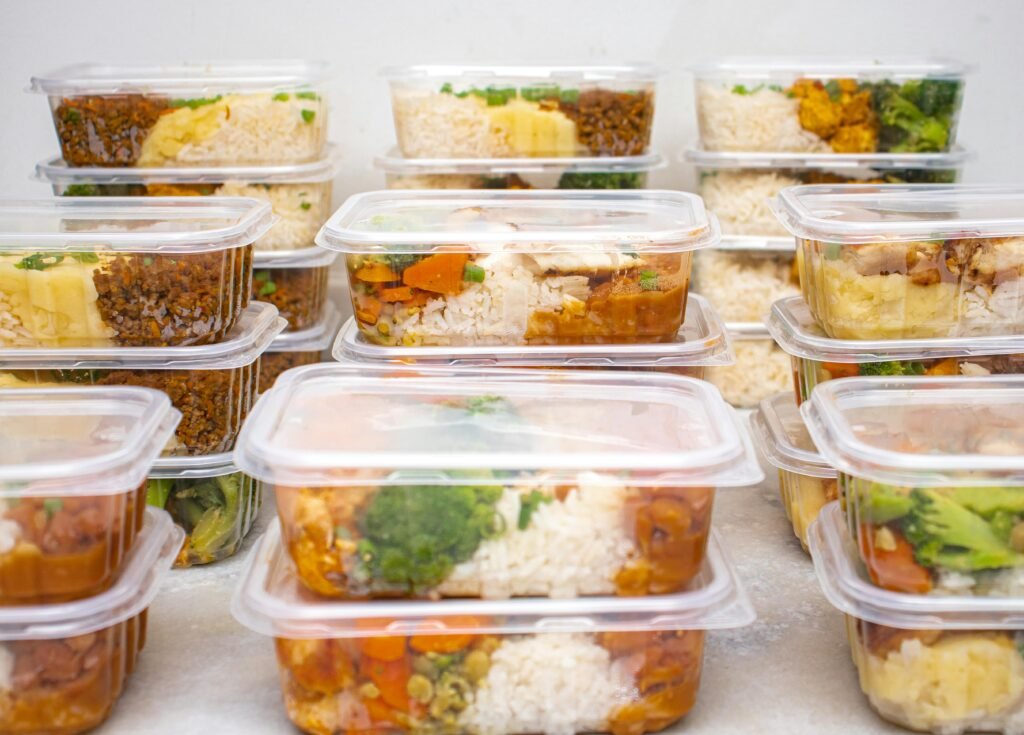
One afternoon of cooking = 2-3 weeks of dinners ready to go.
You make large batches of freezer-friendly meals, freeze them in portions, and pull them out as needed.
Best Meals for Batch-and-Freeze
Freezer-friendly meals:
- Chili (make triple batch, freeze in containers)
- Spaghetti sauce (same—triple batch, freeze)
- Casseroles (lasagna, enchiladas, baked ziti)
- Soups and stews
- Meatballs (cook and freeze)
- Pulled pork or shredded chicken
- Breakfast burritos (wrap individually, freeze)
- Pancakes or waffles (freeze with parchment between)
Meals that don’t freeze well:
- Pasta (gets mushy)
- Lettuce-based salads
- Fried foods
- Cream-based sauces (can separate)
The Process
Step 1: Choose 3-4 freezer-friendly recipes
Pick recipes you can make in large quantities without much extra work.
Step 2: Grocery shop for all ingredients
Buy everything you need for all recipes at once.
Step 3: Block 3-4 hours for batch cooking
Weekend afternoon works best. Turn on music or a podcast and get to work.
Step 4: Cook assembly-line style
Do similar tasks together:
- Brown all the meat at once
- Chop all the vegetables together
- Assemble all casseroles at the same time
Step 5: Label and freeze
Use freezer-safe containers or bags. Label with contents and date. Stack neatly in freezer.
Step 6: Pull out as needed
Morning of dinner day: move frozen meal to fridge to thaw. Evening: heat and serve.
Sample Batch Cooking Session
3-hour session yields:
- 3 containers of chili (12 servings total)
- 2 pans of lasagna (16 servings total)
- 20 breakfast burritos
- 1 batch of meatballs (30 meatballs)
- 2 containers of spaghetti sauce
That’s roughly 15-20 meals from one cooking session.
Making It Sustainable
You don’t need to batch cook every week. Once a month is plenty. Some people do it quarterly.
Start small. First time, just make a double batch of chili and freeze half. Build from there.
Involve the family. Even young kids can help assemble burritos or stir ingredients.
Strategy #4: The “Flexible Framework” Plan
This is for moms who want structure but need adaptability.
The Concept
Plan meals loosely, shop specifically.
Instead of deciding “Monday: chicken tacos, Tuesday: spaghetti,” you decide “This week: 2 chicken meals, 1 pasta meal, 1 breakfast night, 1 slow cooker meal, 2 wild cards.”
How It Works
Step 1: Decide on protein/meal types for the week
Example:
- 2 chicken-based dinners
- 1 ground beef dinner
- 1 pasta dinner
- 1 breakfast dinner
- 1 slow cooker dinner
- 1 takeout/leftovers
Step 2: Shop for ingredients to support those types
Buy:
- Chicken breasts or thighs
- Ground beef
- Pasta and sauce
- Eggs and breakfast items
- Slow cooker ingredients (whatever you choose)
Step 3: Decide each morning which meal you’ll make that night
Based on:
- Your schedule (busy night = quick meal)
- What sounds good
- What needs to be used up
Step 4: Cook and serve
No rigid “this must be Monday’s meal” structure. Just “we have these options this week.”
Why This Works
Maximum flexibility. Tuesday gets crazy? Swap the planned chicken meal for breakfast night instead.
Accommodates moods and preferences. If nobody wants tacos on Tuesday, make them Thursday instead.
Still provides structure. You have ingredients. You have options. You’re not staring blankly into an empty fridge.
Reduces food waste. You’re using what you bought based on what actually makes sense each day.
Sample Flexible Framework Week
Ingredients purchased:
- Chicken thighs
- Ground turkey
- Pasta
- Eggs
- Slow cooker pot roast ingredients
- Taco ingredients
Potential meals available:
- Baked chicken with vegetables
- Ground turkey tacos
- Spaghetti with meat sauce
- Breakfast for dinner (eggs, pancakes)
- Slow cooker pot roast
- Chicken stir-fry
Daily decision: “Which of these fits tonight’s schedule and sounds good?”
No rigid plan. No guilt for changing plans. Just options.
Strategy #5: The “Pantry-First” Method
This is the ultimate lazy approach—cooking based on what you already have.
The Concept
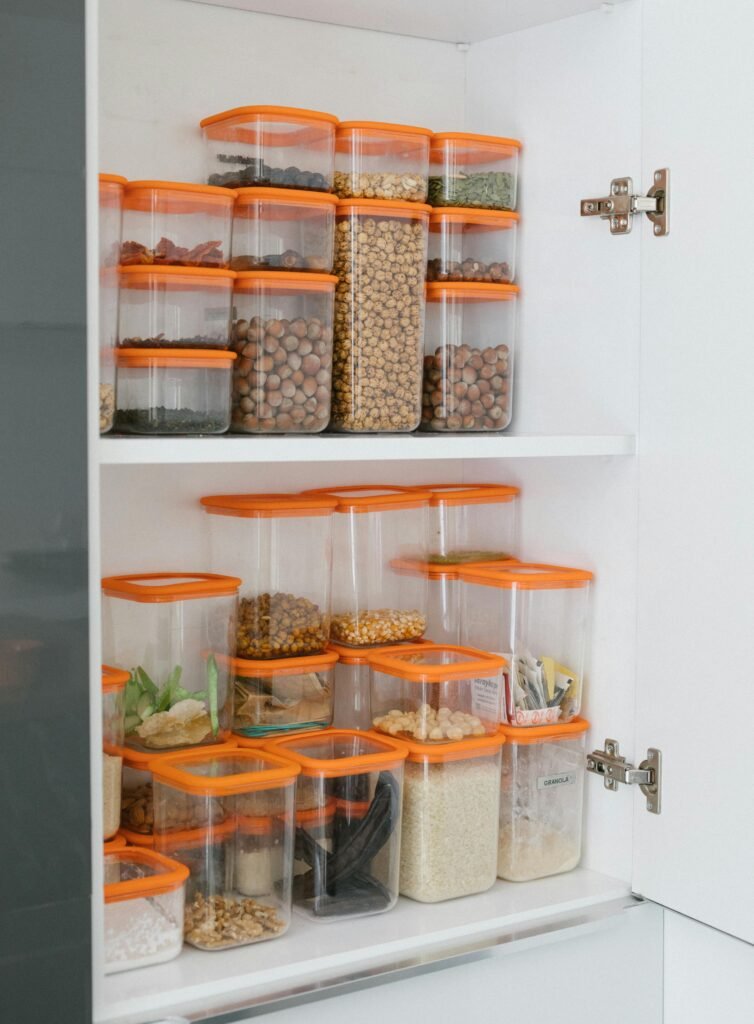
Plan meals around your existing pantry, freezer, and fridge inventory instead of shopping first.
This reduces waste, saves money, and forces creativity in the best way.
How to Implement
Step 1: Inventory what you have
Once per week, check:
- Pantry (rice, pasta, canned goods, sauces)
- Freezer (meat, vegetables, prepared items)
- Fridge (produce, dairy, condiments)
Step 2: Plan meals using 80% of what you already own
Find meals you can make with minimal additional purchases.
Example:
You have:
- Ground beef in freezer
- Rice in pantry
- Canned black beans
- Canned tomatoes
- Cheese in fridge
- Tortillas
Meals you can make:
- Taco bowls (beef, rice, beans, cheese)
- Burrito casserole
- Beef and rice skillet
- Tacos or quesadillas
Step 3: Shop only for missing items
Your grocery list is tiny—just filling gaps. Maybe you need fresh lettuce, sour cream, or an onion.
Step 4: Rotate through inventory
Keep using what you have until it’s gone. Buy new items strategically.
Benefits Beyond Simplicity
Dramatically reduces food waste. You’re using ingredients before they expire.
Saves significant money. Small grocery trips instead of $200 weekly hauls.
Forces you to use forgotten items. That can of chickpeas, those frozen vegetables—they finally get used.
Builds cooking confidence. You learn to improvise and create meals without following recipes exactly.
Making It Work
Keep a well-stocked pantry. Maintain staples (rice, pasta, canned beans, canned tomatoes, broth, basic spices).
Buy proteins when on sale, freeze immediately. Your freezer becomes your meal planning source.
Don’t let fresh produce go bad. If vegetables are aging, make soup or stir-fry to use them up.
Embrace “clean out the fridge” night. Once a week, create a meal from random leftovers and ingredients.
Combining Strategies for Maximum Laziness
You don’t have to choose just one strategy. In fact, combining them creates the ultimate low-effort system.
My Hybrid Approach
I use:
- Rotation Method as my foundation (themes assigned to days)
- 5 Meals Only within each theme (I rotate the same meals)
- Batch-and-Freeze once a month for backup meals
- Pantry-First for weeks when the budget is tight
- Flexible Framework when my schedule is unpredictable
This gives me:
- Structure when I need it
- Flexibility when life happens
- Backup meals when I’m overwhelmed
- Money-saving options when needed
Example week:
Monday: Rotation theme (pasta) + 5 Meals system (spaghetti—one of my core 5)
Tuesday: Rotation theme (tacos) + Pantry-First (using ground beef from freezer)
Wednesday: Batch-and-Freeze (pull out frozen chili)
Thursday: Rotation theme (breakfast) + 5 Meals system (pancakes—core meal)
Friday: Flexible Framework (decide between chicken or pizza based on schedule)
Saturday: Pantry-First (whatever needs to be used up)
Sunday: Leftovers
Total planning time: 10 minutes on Sunday afternoon.
Essential Tools for Easy Meal Planning
You don’t need fancy gadgets, but a few tools make this even easier.
The Basics
Paper and pen method:
- Weekly meal planning sheet (printable template)
- Master grocery list template
- Recipe binder for your core meals
Digital method:
- Google Sheets or Excel for meal rotation
- Notes app on phone for grocery list
- Pinterest board for your favorite go-to recipes
Hybrid method:
- Printable meal plan on fridge
- Grocery list on phone app
- Recipe cards for core meals
Helpful Kitchen Tools
Slow cooker or Instant Pot: Makes batch-and-freeze and rotation method dinners effortless.
Freezer-safe containers: Essential for batch cooking and leftovers.
Sheet pans: For easy one-pan dinners that fit rotation themes.
Rice cooker: Set-it-and-forget-it for a staple side dish.
Apps Worth Considering
For meal planning:
- Plan to Eat
- Paprika
- Mealime
For grocery lists:
- AnyList
- Out of Milk
- Bring!
For recipes:
- Pinterest (save tried-and-true recipes to boards)
- Yummly
- AllRecipes
The simplest system is the one you’ll actually use. If pen and paper works, stick with that.
Common Meal Planning Mistakes (And How to Avoid Them)
Let’s troubleshoot the pitfalls that derail easy meal planning.
Mistake #1: Planning Too Many New Recipes
The trap: Trying 7 new Pinterest recipes in one week.
The fix: Plan familiar meals 80% of the time. Try one new recipe per week maximum.
Mistake #2: Over-Complicating Meals
The trap: Planning elaborate 45-minute recipes for busy weeknights.
The fix: Save complex cooking for weekends. Weeknights = 30 minutes or less, period.
Mistake #3: Not Considering Your Schedule
The trap: Planning a slow-cooked meal on a night when you have back-to-back activities.
The fix: Match meal complexity to schedule. Busy nights = breakfast or tacos. Lighter nights = try something new.
Mistake #4: Forgetting to Check Your Pantry First
The trap: Shopping without checking what you already have, buying duplicates.
The fix: Quick pantry/fridge scan before planning and shopping. Use what you have first.
Mistake #5: Being Too Rigid
The trap: Feeling like a failure if you don’t stick to the exact plan.
The fix: Build in flexibility. Swap days. Sub ingredients. Order pizza when needed. Life happens.
Mistake #6: Not Involving Your Family
The trap: Planning meals nobody wants to eat, then fighting about it.
The fix: Ask for input. “What sounds good this week?” Let kids choose one night’s meal. Partner picks another.
Mistake #7: Giving Up After One Bad Week
The trap: One chaotic week derails you completely, you abandon meal planning entirely.
The fix: One bad week is just one bad week. Start fresh next Sunday. Progress, not perfection.
The Reality of Meal Planning for Busy Moms
Let’s be honest about what meal planning for beginners actually looks like in real life.
Week 1: Enthusiastic But Imperfect
You plan with excitement. You shop. You cook 4 out of 7 planned meals. The other 3 nights become scrambled eggs, leftovers, or takeout.
This is normal. You’re learning a new system.
Week 2-4: Finding Your Rhythm
You adjust. You realize Tuesday is too busy for the planned meal, so you swap. You discover your family won’t eat certain things. You simplify.
You’re refining. The system is getting easier.
Week 5-8: Building Consistency
Most weeks, you follow the plan 80-90%. You’re not stressing about dinner daily. Grocery shopping takes less time. Food waste decreases.
The system is working. You’re seeing benefits.
Week 9+: Autopilot Achieved
Meal planning takes 15 minutes. You shop the same list with minor variations. Dinner happens without drama. You’ve built a sustainable system.
This becomes your normal. You can’t imagine going back to winging it.
What Success Actually Looks Like
Success isn’t:
- Perfect adherence to every plan
- Never ordering takeout
- Cooking elaborate meals nightly
- Zero food waste
- Instagram-worthy presentation
Success is:
- Not panicking about dinner most nights
- Spending less on groceries and takeout
- Reducing food waste significantly
- Having a system that works even when you’re tired
- Feeling in control of meals instead of overwhelmed
Lazy meal planning succeeds because it sets realistic expectations.
Your Meal Planning Action Plan
You now have five proven strategies for easy meal planning. Here’s how to start.
This Week: Choose Your Strategy
Pick the one that resonates most:
- Rotation Method: If you like structure and predictability
- 5 Meals Only: If you want maximum simplicity
- Batch-and-Freeze: If you have time for one big cooking session
- Flexible Framework: If your schedule varies wildly
- Pantry-First: If you want to save money and reduce waste
Don’t try multiple strategies at once. Master one first.
This Weekend: Set Up Your System
Saturday or Sunday:
- Choose your meals (rotation themes, core 5, whatever fits your strategy)
- Write your grocery list
- Shop for ingredients
- Prep if needed (batch cooking, washing produce, etc.)
Time investment: 1-2 hours total. Less each week after the first.
This Month: Refine and Adjust
Week 1: Execute your plan, note what works and what doesn’t
Week 2: Adjust based on reality (too complicated? Too boring? Wrong meals for schedule?)
Week 3: Try your refined system
Week 4: Evaluate progress (are you stressing less? Spending less? Wasting less?)
Month 2-3: Build the Habit
Keep showing up. Even imperfect meal planning beats no meal planning.
Adjust as needed. Strategies can be combined, modified, or swapped.
Celebrate progress. Every planned meal is a win.
The Bottom Line on Lazy Meal Planning
Meal planning doesn’t have to be complicated, time-consuming, or perfect to work.
The best meal plan is the one you’ll actually follow. If that means eating the same 5 meals in rotation, great. If it means planning themes instead of specific recipes, perfect. If it means batch cooking once a month and pulling from the freezer, excellent.
There is no “right” way—only what works for your family.
The strategies in this post work because they’re designed for real life:
✓ Minimal time investment
✓ Maximum flexibility
✓ Realistic expectations
✓ Sustainable long-term
✓ Accommodates exhaustion, schedule changes, and imperfection
Stop trying to meal plan like a food blogger. Start meal planning like a busy mom who just needs to feed her family without losing her mind.
Your version of success might look different than mine. That’s okay. The goal isn’t perfection—it’s progress.
Less stress. Less money wasted. Less food thrown away. Less standing in front of the fridge at 5:30 PM wondering what to cook.
That’s what lazy meal planning delivers.
Ready to Transform Your Meal Planning?
You have everything you need to start:
✓ Five proven strategies
✓ Step-by-step implementation plans
✓ Realistic expectations
✓ Troubleshooting for common problems
The only thing left is to start.
This week, pick one strategy. Write down 5-7 meals. Make a grocery list. Shop. Cook.
Next week, do it again. And again. And again.
Within a month, meal planning will feel natural instead of overwhelming.
Want more help getting started?
I’ve created additional resources to make meal planning for beginners even easier:
- Free printable meal planning templates
- Master grocery lists for common meal rotations
- 25 tried-and-true 30-minute dinner recipes
- Batch cooking guides and freezer meal ideas
Explore more meal planning resources on the blog. Search “meal planning” to find step-by-step guides, printables, and real-life examples from other busy moms.
Your family deserves home-cooked meals. You deserve to feel less stressed about providing them.
Lazy meal planning makes both possible.
Now go plan this week’s meals—the lazy way.
Ready to simplify dinner forever? Choose one strategy from this post and implement it this week. Share your results or questions in the comments—let’s support each other in making meal planning actually work for busy families!